Case study · P/01 Live on iOS & Android

Prismo
An AI learning journal that turns what you read, watch and hear into organized notes and spaced-repetition quizzes.
- Role
- Solo founder & engineer: product, design, mobile, backend, AI and release
- Timeline
- 2026 – present
- Platforms
- iOS · iPadOS · Android · Web
- Status
- Live on iOS & Android

-
870+
installs on iOS & Android since launch
-
68
countries with active users
-
Mar 2026
launched on the App Store & Google Play
§ 1 · Overview
The product
Most of what we read, watch or listen to is forgotten within days. Prismo is a learning journal built to fix that: you write, dictate, paste or photograph what you learned, and an AI pipeline extracts the individual ideas, files them into a knowledge library it organizes for you, then quizzes you on them with spaced repetition so they stick.
The user stays in control: the AI only ever proposes changes (create, update, move, merge), and nothing touches the library until it's approved on a review screen. I designed and built all of it: the mobile app, the AWS backend and the LLM pipeline.
Key features
- Capture by typing, dictation, photos, PDFs or links
- AI proposes notes and folders; nothing changes until you approve it
- Quizzes on your own notes, scheduled with spaced repetition
- A knowledge graph of how your ideas connect
§ 2 · Engineering
How it's built
-
01 Capture
- Text & voice
- Photos (OCR)
- PDFs & links
- Share sheet
-
02 Expo app
- Journal entry
- Review screen
- Local library
-
03 AWS (CDK)
- API Gateway + JWT
- Lambda pipeline
- Cognito
- S3 sync · DynamoDB
-
04 LLM
- Understand
- Write
- Validate (deterministic)
- Repair ×1
- 01
A multi-stage LLM pipeline with deterministic guardrails
Entries go through understand → write → validate → repair. The model works from a compact summary of the user's library rather than the whole thing, and a deterministic, unit-tested validator rejects unsafe changes (duplicate or cyclic folders, deleting notes it hasn't read) before anything reaches the user, with at most one repair call. An offline evaluation set tracks quality against a cost target of under $0.50 per user per month.
- 02
Offline-first sync across devices
Libraries sync through S3 with vector clocks for conflict detection and tombstones for deletions, so edits made offline on two devices merge without losing data.
§ 3 · Gallery
Screens
-
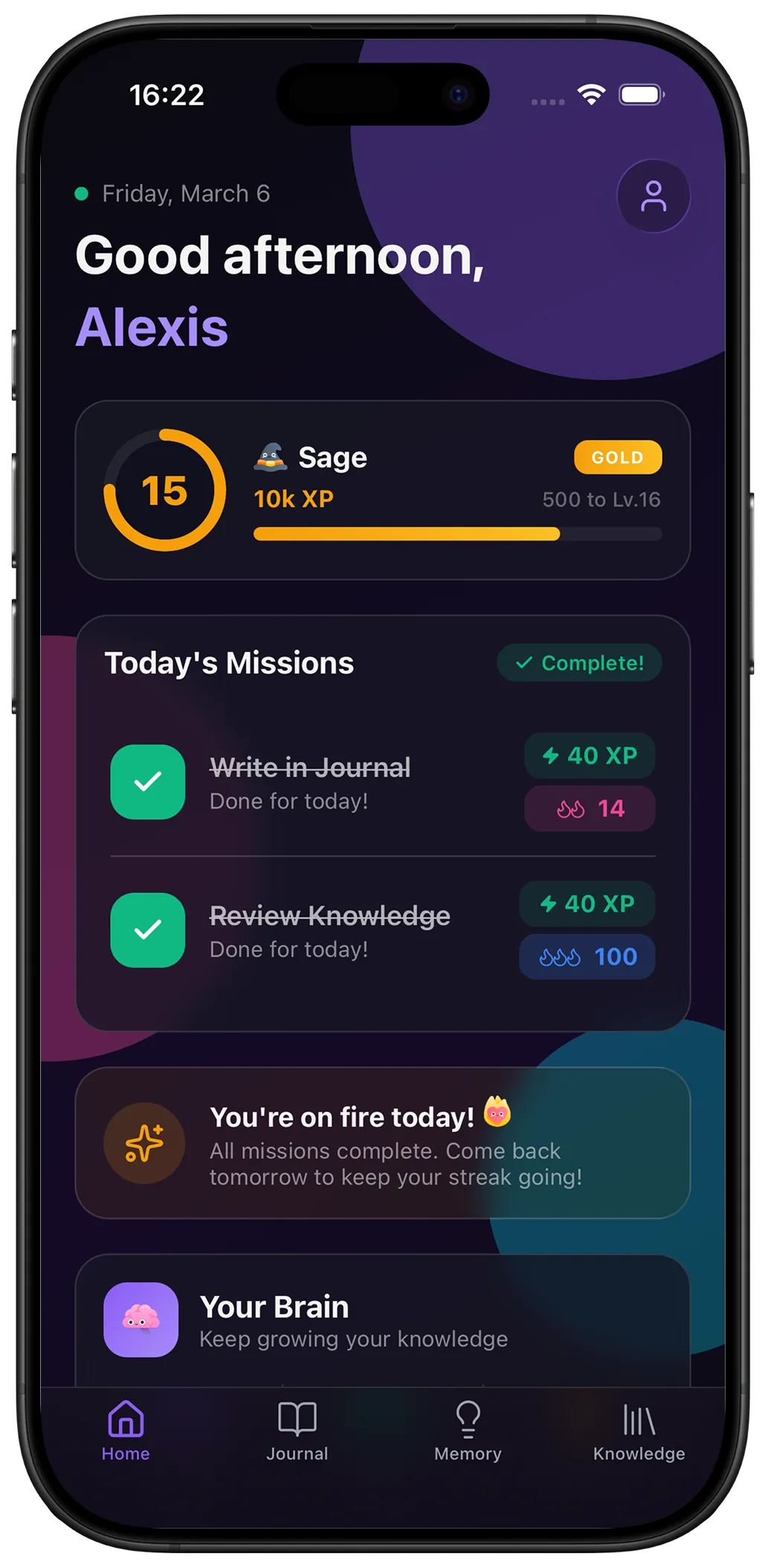
Home -
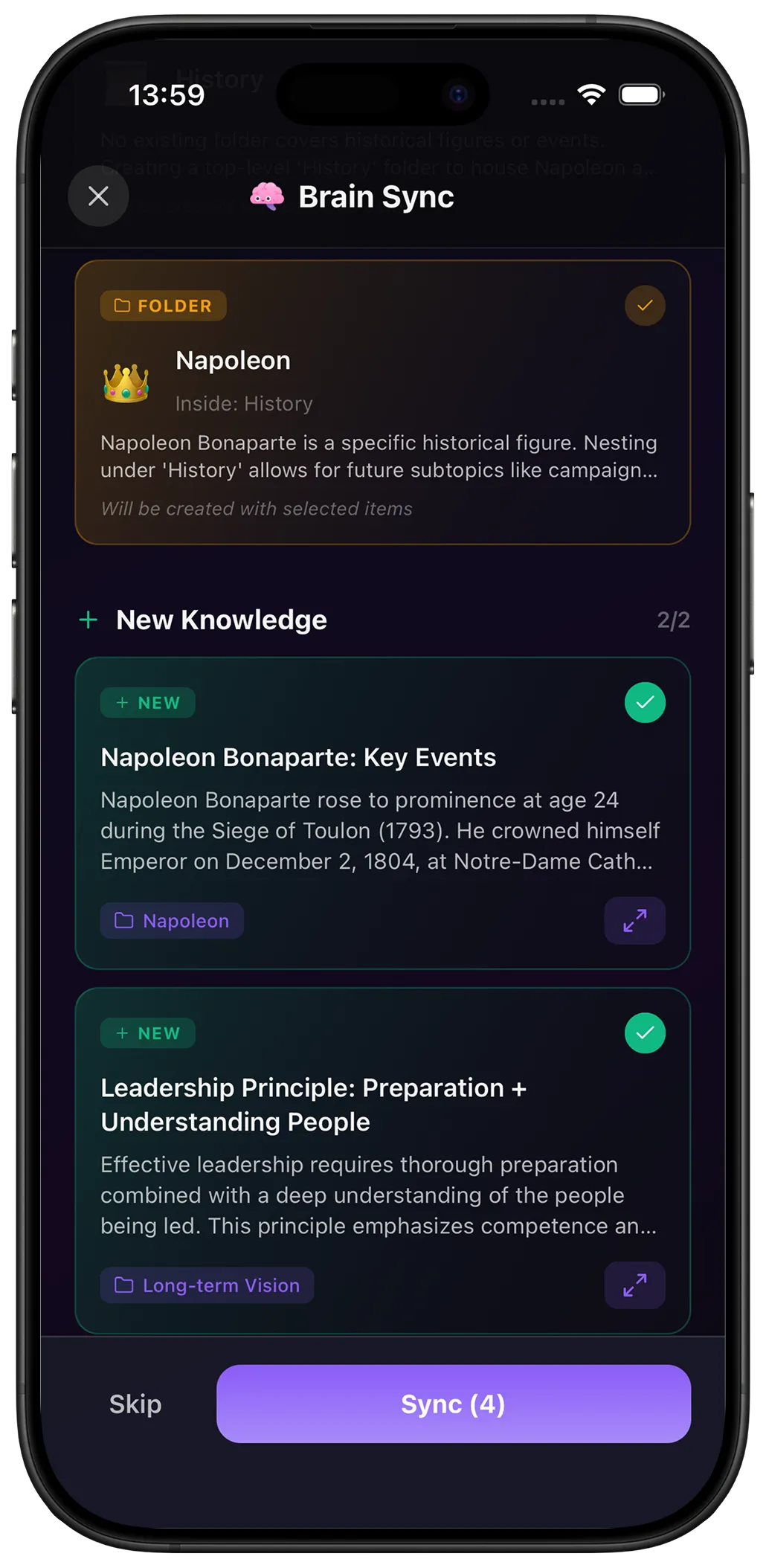
Knowledge Sync: review AI proposals -
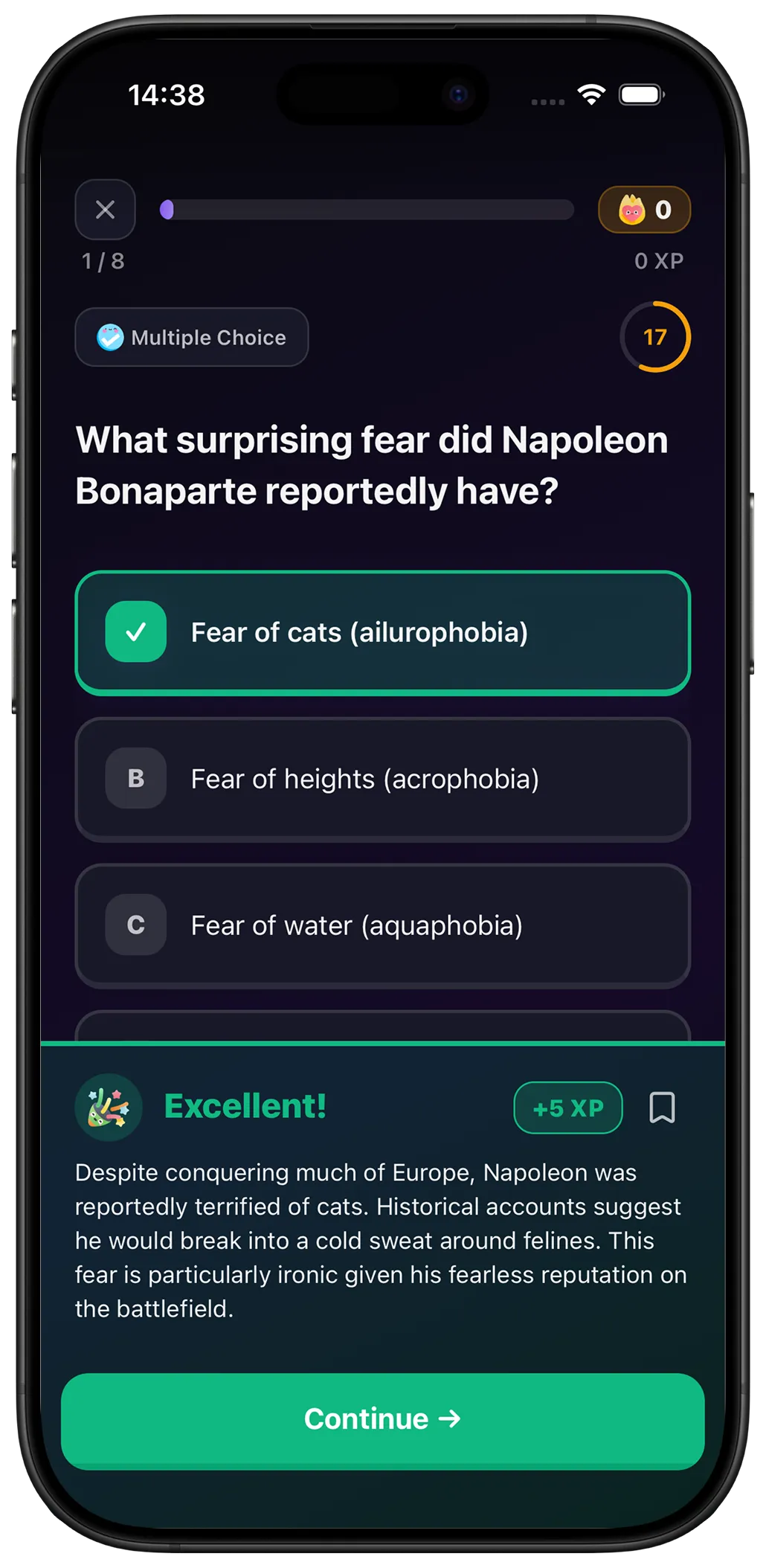
Quizzes from your own notes -
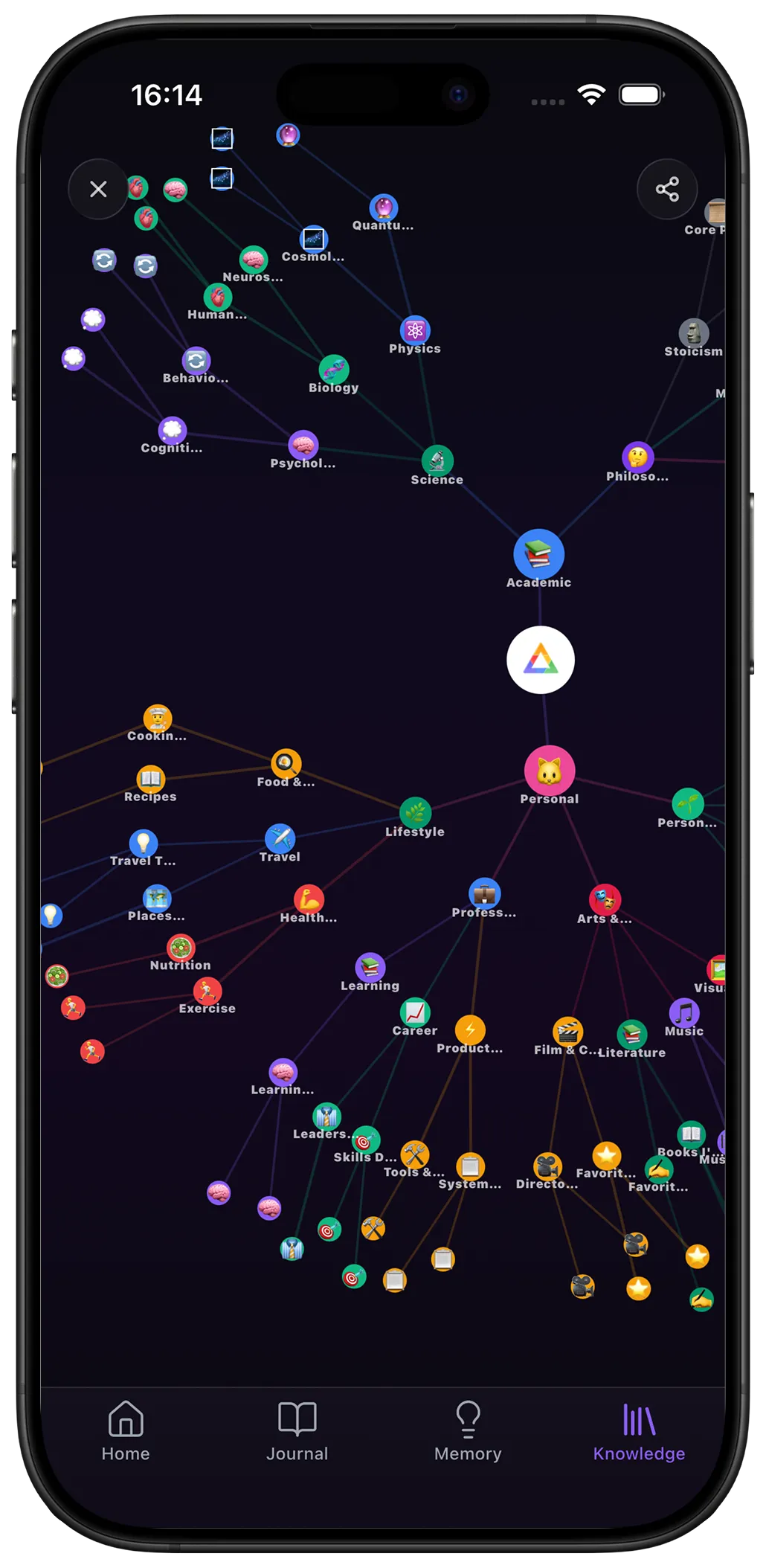
The knowledge graph -
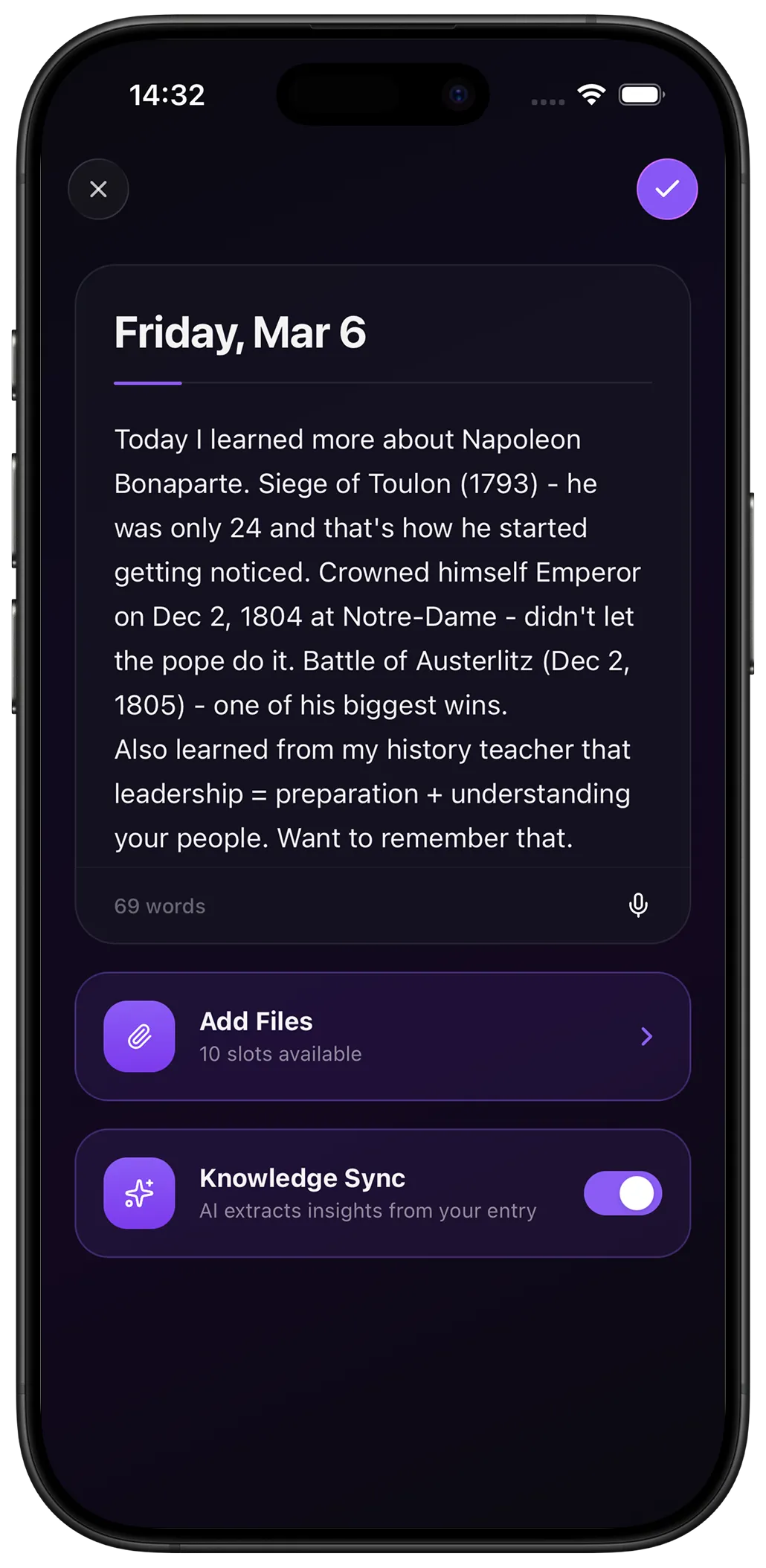
Capture in the journal


§ 4 · Stack
Tools & services
| App | |
|---|---|
| Backend | |
| AI |